


Fan and Heater
A fan heater is essentially a heater that operates by using a fan to push air over a heating element (e.g. nichrome, resistance foil, etc.). When the air passes over the heating element, it gets heated up and is consequently pushed out of the heater. In this way, a fan heater warms up a room.
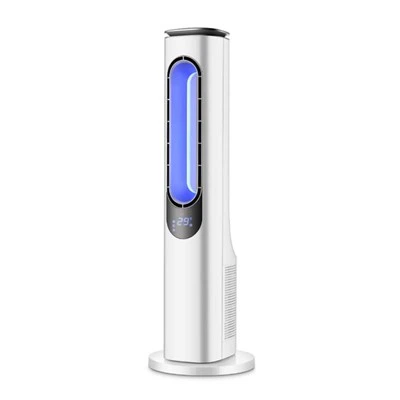
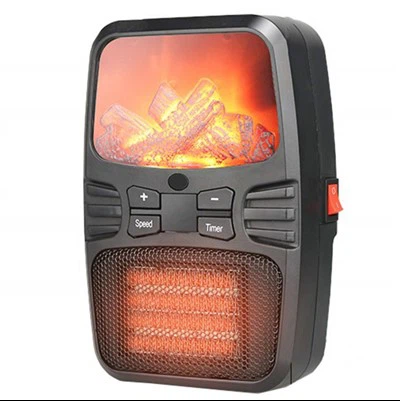

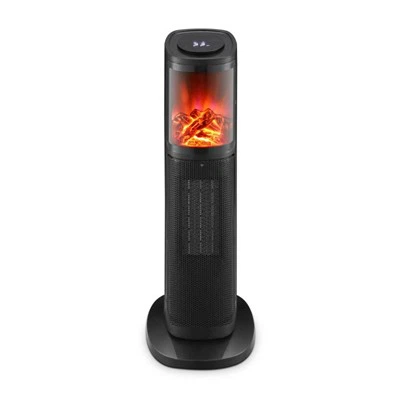
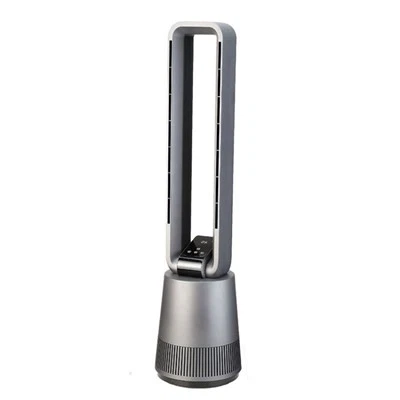
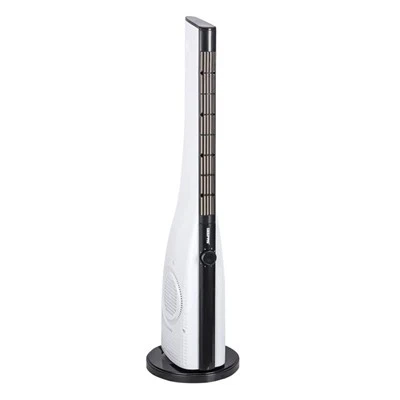

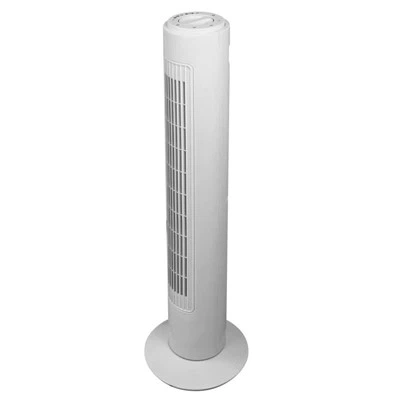


Advantages of Fan and Heater
Improve Efficiency
A heater that uses a fan is the most affordable type; they work by blowing warmed air into a room.
Safe To Use
These ceramic heaters are a safe way to heat your home, being the top choice for consumers when looking for safety.
Portability
One of the greatest advantages of a fan-forced heater is their portability.
No Noise
While not completely silent, these heaters can be surprisingly undisruptive.
Effectively Warms The Air
A heater with a fan warms an entire room, making it the most versatile heating choice. Chances are you'll be moving around the room and will want the entire space warm.
Fan Heater Combo
Many heaters offer a fan only mode that lets you use the fan setting without the heater on. That means you can have winter heating and summer cooling in one convenient unit!
Convenient To Use
Fan-forced heaters come with a variety of functions, so think about what features are most important to you before you buy.
Great For Large Areas
Fan heaters are a popular choice for heating large, frequently used living areas for short periods of time since the entire space will become warm.
Zonal Heating
Using a small heater allows you to turn down your central thermostat and heat only the rooms you're using the most, saving you energy at home.
Why Choose Us

Quick Proofing
7 days to design and complete the sample

Light Custom Style
Product accessories can be changed according to different requirements

Real Factory
Provide video chat verification factory

Superior Quality
Each product has to go through 6 process tests before leaving the factory

Oem&odm
We Design Circuit Board & Housing As Per Customers Requirements

Modern Factory
Has a modern LED packaging laboratory, high-speed automatic SMT machine

Application of Fan and Heater
Fan heaters can be used domestically and commercially
Fan heaters are great for domestic use as mentioned above they can provide direct heat where you need it rather than having to heat the whole home and they can also be used in smaller rooms, such as your bedroom or kitchen.
However, fan heaters usually in the form of air curtains or overdoor heaters can be a fantastic investment for commercial use too. Since they can be mounted above the entrance to shops, cafes, offices and more to give customers and employees alike a warm welcome, they help to reduce the amount of heat lost by opening doors by creating a curtain of warm air.
Fan heaters are a good alternative to traditional heating systems, but they have their limitations as well.
While fan heaters are a good alternative to traditional heating systems, and can be a fantastic way to help reduce your energy bills in the long run it's important to understand they have their limitations as well so you should consider your needs fully before investing.
Fan heaters are not ideal for heating very large open spaces, due to their small size they would struggle to heat large bodies of cool air. While investing in multiple fan heaters is an option it may be worth considering some more suitable such as a panel heater. They can also decrease the humidity of the room so if a room already suffers from low humidity fan heaters are not the best option.
Types of Fan and Heater
There are two types of fan heaters: electric and externally vented. Electric fan heaters draw electricity to run. A current passes through the heating element, which then transforms the electrical energy into heat energy. The fan present within sucks in air and pushes it towards the heating element where it gets warmed up rapidly. This warm air is blown out of the heater and warms up the entire room. Contrary to electric fan heaters, externally vented, non-electric fan heaters use combustion fuel (e.g. gas, kerosene) to operate. Except for the energy source, they work pretty much like their electric counterparts.

Maintenance Tips for Fan and Heater
-
Change or Clean Your Air Filters Regularly.
-
Keep Your Vents And Registers Clean.
-
Clean Debris And Dust From Your Outdoor Units.
-
Remove Blockage from Ducts.
-
Check Your Heating System for Leaks.
-
Clean Evaporator Coil And Drain Regularly.
-
Use A Programmable Thermostat.




Our advantage
Q: 1.Are fan heaters any good?
Q: 2.Is it safe to leave fan heater on all night?
Q: 3.Is a fan cheaper to run than a heater?
Q: 4.How long should a fan heater stay on?
Q: 5.Which is better electric heater or fan heater?
Q: 6.Are fan heaters 100% efficient?
Q: 7.Which fan heater uses the least electricity?
Q: 8.What are the pros and cons of fan heaters?
Q: 9.What is the cheapest way to heat a room?
Q: 10.Does a fan heater heat up a room?
Q: 11.Can you leave a fan heater on all day?
Q: 12.Do heater fans use a lot of electricity?
Q: 13.Do fan heaters turn off automatically?
Q: 14.How hot does a fan heater get?
Q: 15.How much does it cost to have a fan heater on for an hour?
Q: 16.Which is better fan heater or ceramic heater?
Q: 17.What type of heater is best?
Q: 18.What is the fastest heater to heat a room?
Q: 19.What is the difference between a space heater and a fan heater?
Q: 20.Are ceramic fan heaters cheap to run?