Introduction: What Will Matter in Solar Outdoor Lighting in 2027?
Solar outdoor lighting has evolved beyond a simple way to illuminate gardens and pathways without connecting to the mains power supply. Today, it also plays a role in outdoor decoration, landscape design, home improvement, and the creation of comfortable outdoor living spaces.
For importers, distributors, retailers, and private-label brands, these expectations create new opportunities for product differentiation. Selecting the right solar lighting products requires a broader understanding of energy performance, lighting control, material durability, design coordination, and the needs of different target markets.
Looking toward 2027, several developments deserve particular attention. More efficient energy management, responsive lighting functions, longer-lasting product designs, coordinated outdoor lighting collections, and more responsible use of light are all areas worth watching.
These developments will not affect every product category in the same way. A decorative garden light, a solar pathway light, and a motion-sensor security light serve different purposes and operate under different requirements. Successful product development will therefore depend on matching the right features to the intended application rather than adding technology for its own sake.

Trend 1: Energy Efficiency and Real-World Runtime Become More Important
One of the persistent challenges in solar outdoor lighting is maintaining satisfactory performance under changing environmental conditions.
Unlike conventional wired lighting, solar lights depend on energy collected from sunlight and stored for later use. Available sunlight varies with the season, weather, installation angle, shading, and geographical location. These factors can influence both charging performance and the amount of light available after dark.
Why a balanced energy system matters
Increasing battery capacity or LED brightness alone does not necessarily improve the overall user experience.
A larger battery still needs sufficient energy to recharge. A brighter LED consumes more power, potentially reducing operating time. Similarly, a solar panel that performs well under favorable conditions may not provide the same energy output in a shaded location or during shorter winter days.
For this reason, future product development should place greater emphasis on balancing four elements:
- Solar energy collection: The panel's type, size, orientation, and charging performance.
- Battery storage: Capacity, charging characteristics, protection, and suitability for the intended operating conditions.
- LED power consumption: The relationship between light output and energy demand.
- Lighting control: How operating modes, dimming, timers, or sensors manage available energy.
These elements work together. Evaluating them as a complete system provides a more useful picture of expected performance than considering any single specification in isolation.
What this means for B2B buyers
For buyers sourcing solar lighting for different markets, product evaluation should reflect local conditions and customer expectations.
A decorative light designed to create a gentle garden atmosphere may not require the same output as a pathway light intended to improve visibility. A product sold in a region with limited winter sunlight may also need a different performance strategy from one primarily intended for a sunnier climate.
It is also important to distinguish between maximum runtime under favorable conditions and expected performance under ordinary use. Clear testing conditions make product comparisons more meaningful and help reduce the risk of mismatched customer expectations.
Trend 2: Adaptive Lighting and Smarter Controls Support More Flexible Applications
Automatic dusk-to-dawn operation remains one of the most useful features of solar outdoor lighting. However, different outdoor environments often require different lighting behaviors.
A garden pathway, a front entrance, and a decorative patio do not necessarily need the same brightness throughout the night. This creates opportunities for lighting controls that respond to activity, ambient conditions, or user preferences.
From automatic operation to application-based control
Several functions can help solar lighting respond more effectively to its surroundings:
- Motion detection: In suitable applications, the light can increase its output when movement is detected and reduce it during quieter periods.
- Ambient light sensing: The product can respond to surrounding light levels, helping determine when illumination is needed.
- Multiple brightness modes: Users can choose between different levels of output according to their priorities for visibility and operating time.
- Timers and operating schedules: Where supported, these functions can help control when and how the product operates.
Not every solar light needs all these features. A decorative product may benefit more from simple, reliable automatic operation, while an entrance or pathway light may benefit from motion-responsive illumination.
The important development is not that every product will become highly complex. Rather, lighting functions can be selected more carefully to suit specific applications.
Additional functions also introduce design and testing considerations. Sensors need to respond appropriately to their intended environment. Controls should be easy to understand, and the selected operating modes should remain compatible with the product's available energy.
For buyers, this means assessing whether a feature solves a genuine customer problem instead of treating a longer feature list as an automatic advantage.
For brands developing their own product ranges, application-based control offers a practical way to differentiate products while keeping functionality relevant to the target market.

Trend 3: Durability, Battery Design, and Product Lifespan Gain Attention
Outdoor lighting must withstand conditions that indoor products rarely encounter. Sunlight, rain, humidity, dust, temperature fluctuations, and repeated seasonal exposure can affect materials, electronic components, batteries, and structural connections.
As buyers seek products that deliver dependable value, durability deserves attention alongside appearance and initial purchase price.
Durability involves more than water resistance
An outdoor product may have an appropriate level of protection against water and dust, yet still experience other problems over time. Plastic components can discolor or become brittle under UV exposure. Metal parts may corrode if their materials or finishes are unsuitable. Poor drainage, weak joints, or unstable mounting structures can also affect performance.
A more comprehensive evaluation should consider:
- Protection against water and dust appropriate to the intended application.
- UV resistance and color stability of exposed materials.
- Corrosion resistance where metal components are used.
- Structural strength and stability during installation.
The suitability of batteries and electronic components for expected operating conditions.
The consistency of product performance after relevant environmental and functional testing.
These considerations are particularly important for products expected to remain outdoors for extended periods.
Battery design and lifecycle considerations
Battery design is another important part of product reliability. Buyers should understand the battery type, capacity, charging requirements, protection features, and expected service conditions.
Where appropriate, they should also evaluate whether the battery can be replaced, how replacement would be carried out, and whether the product design supports maintenance.
A longer useful product life can help reduce premature replacement and unnecessary waste. However, sustainability should not be judged by one material choice or a single marketing claim. Product lifespan, repairability, component selection, packaging, and end-of-life considerations all contribute to the broader picture.
For retailers and private-label brands, evaluating durability early can help reduce avoidable quality problems, customer complaints, and the costs associated with product replacement.
Trend 4: Coordinated Outdoor Lighting Collections Create New Product Opportunities
Outdoor lighting is increasingly considered as part of a complete living environment rather than a collection of unrelated products.
A homeowner may begin by illuminating a garden pathway, then add lights around planting areas, an entrance, a patio, or a seating space. Coordinated products can help create a more consistent appearance across these different areas.
This creates an opportunity for retailers and brands to develop complementary collections instead of relying entirely on individual best-selling items.
From individual products to complete outdoor solutions
Different solar lighting categories serve different purposes:
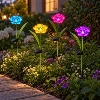
- Solar stake lights can define garden borders, highlight planting areas, or provide decorative accents.
- Solar pathway lights can help guide movement through walkways and garden routes.
- Solar wall lights can support entrance and perimeter applications where installation conditions are suitable.
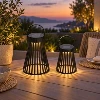
- Solar decorative lights can add atmosphere to patios, balconies, and outdoor gathering spaces.
A coordinated range does not require every product to look identical. Instead, products can share a recognizable design language through complementary finishes, proportions, color temperatures, or decorative details.
The goal is to help customers combine products without creating a visually inconsistent outdoor environment.

Trend 5: Better Light Quality and Responsible Outdoor Illumination Become More Relevant
Outdoor lighting needs to provide useful illumination without creating unnecessary glare, excessive brightness, or unwanted light beyond the area being illuminated.
This is an important consideration as gardens, balconies, patios, and residential outdoor spaces become more closely connected to everyday living.
The objective is not always to produce more light. In many applications, the better solution is to direct light where it is needed and select an appropriate output for the intended purpose.
Lighting quality is about more than brightness
Lumens provide information about the total amount of visible light emitted by a source, but they do not fully describe how that light will appear in a particular environment.
Beam distribution, mounting height, light direction, color temperature, surrounding surfaces, and the distance between the light and its target all influence the result.
For example, a decorative garden light may be intended to create a soft visual accent rather than illuminate a large area. A pathway light needs to provide useful visibility along the route, while avoiding unnecessary brightness that could disturb nearby residents.
For some applications, warmer light, controlled beam direction, lower brightness, or a timed operating schedule may provide a better balance between usability and environmental considerations.
Conclusion: Building More Competitive Solar Outdoor Lighting Products for 2027
Solar outdoor lighting will continue to develop as product technology, outdoor lifestyles, and customer expectations evolve. Energy efficiency, adaptive controls, durability, coordinated product collections, and responsible illumination are all important areas for brands and buyers to watch.
However, these developments should not be treated as a checklist of features that every product must include. Their value depends on the application, target market, price positioning, and the problems the product is designed to solve.
For B2B buyers, the opportunity lies in making more informed product decisions: evaluating real-world performance, setting appropriate quality requirements, selecting meaningful product differentiators, and planning collections that meet customers' needs.
For lighting brands and suppliers, long-term competitiveness will depend on connecting product innovation with practical performance and dependable execution.
With over 15 years of experience in lighting trade, Bright Max works with retailers, importers, distributors, and private-label brands on lighting products for different market needs. We believe that a well-planned product range should combine practical customer value with reliable quality and coordinated delivery.
Frequently Asked Questions
1. What are the main solar outdoor lighting trends to watch in 2027?
Key areas to watch include better energy management, application-based lighting controls, improved outdoor durability, coordinated product collections, and more responsible illumination. The relevance of each trend depends on the product category and target market.
2.What affects solar light performance in cloudy or low-sunlight conditions?
Performance depends on factors such as available sunlight, solar panel characteristics, charging efficiency, battery condition, LED power consumption, and operating modes. Product selection should consider the expected installation environment rather than relying on battery capacity alone.
3. Are replaceable batteries important in solar outdoor lighting?
Replaceable batteries can support maintenance and extend the useful life of some products, but suitability depends on the product design, safety requirements, intended use, and target market. Buyers should evaluate battery accessibility and replacement procedures alongside overall product reliability.
4. How can retailers build a coordinated solar garden lighting collection?
Retailers can combine products with complementary functions, such as pathway lights, garden stake lights, wall lights, and decorative lighting. Consistent design details, suitable price positioning, clear product differentiation, and complementary packaging can help create a more coherent assortment.
5. What should importers check when selecting a solar lighting supplier?
Importers should evaluate the supplier's ability to support product selection and development, communicate technical requirements, coordinate component sourcing, maintain quality consistency, and meet agreed production and delivery schedules. The evaluation should also cover the specific product's testing, documentation, and compliance requirements for the intended market.