Reflecting on Easter 2026, it is evident that the consumer market for the holiday is steadily expanding. The 2026 Easter consumer market set a new record: total spending reached $24.9 billion, while per capita spending hit an all-time high of $195.59. The Easter market clearly holds immense consumer potential.
Looking back at Easter 2026, holiday décor was no longer confined merely to soft pastel color palettes and seasonal figurines. We observed an increasing presence of decorative lighting within home interiors; lighting has evolved from a mere auxiliary element into a core design feature-one that defines atmosphere, evokes emotion, and drives retail value.
Looking ahead to 2027, this transformation is set to become even more pronounced. Consumers are no longer simply purchasing decorative objects; they are buying into an immersive spring experience. For retailers and importers, this signifies that decorative lighting is no longer an optional add-on, but rather a core driver for category growth.
This article will delve into the key trends shaping the Easter lighting landscape in 2027, exploring the profound implications these trends hold for product development, visual merchandising, and procurement strategies.

The Driving Forces Behind Easter Lighting Trends in 2027
The Rise of "Biophilic" Lighting Design
As a holiday inextricably linked to the spring season, Easter has always fostered a cozy, warm atmosphere; consequently, natural elements associated with the outdoors have naturally emerged as mainstream product trends.
In 2027, lighting design will increasingly integrate with natural elements:
- LED string lights intertwined with vines or branches
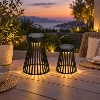
- Light fixtures featuring woven wicker or wooden structures
- The "Living Décor" concept, which blends greenery with illumination
Consumers are moving away from artificial decorations with rigid, unnatural aesthetics, opting instead for lighting fixtures that feature natural textures and create soft, natural interplay of light and shadow.
A Shift Toward Warmer, More Layered Lighting Tones
Soft pastel color palettes remain popular, while other shades within the Morandi color spectrum-such as pale greens and tender yellows-are also gaining favor among consumers. Together, these color schemes evoke the spirit of spring, creating a vibrant and lively visual landscape for Easter. The key focus in 2027 will be on "layered lighting"-the creation of spatial atmospheres rich in depth and warmth through the superposition of various light tones, rather than relying on monotonous, flat, single-source illumination.
This trend will directly enhance the ambiance of the following settings:
- Indoor dining environments
- Cozy and intimate family gatherings
- Decorated scenes optimized for photography and social sharing
Lighting Experiences Infused with Emotion and Narrative
One of the most significant shifts is the evolution from mere "decoration" to "experience." Lighting products are increasingly being designed to evoke emotional resonance and heighten the sense of festive ritual. Specific examples include:
- Easter egg lights featuring dynamic lighting effects
- Rabbit-shaped lamps that emit a soft, gentle glow
- Color-changing lights capable of simulating a sunrise or the ambiance of a spring morning
This trend is heavily influenced by younger consumer demographics, who prioritize living environments that are playful, expressive, and easily shareable.
Minimalist Spaces Enhanced by Statement Lighting
Minimalism has not faded away-it is evolving. Consumers no longer tend to clutter their spaces with a multitude of small decorative items; instead, they now favor:
- Clean, uncluttered layouts
- Minimalist object arrangements
- One or two visually striking statement lighting pieces

Key Trends in Colors, Materials, and Lighting Effects
Color Trends
Warm white and amber tones
Soft pastel accents (pink, green, lilac)
Earth tones and soft, natural color palettes
Material Trends
Wood and bamboo
Rattan and woven textures
Frosted acrylic for soft, diffused lighting effects
Matte finishes to replace glossy plastics
Lighting Effects
"Breathing" light effects (slowly fading in and out)
Candle-style flickering LED effects
Gradual color transition effects
These effects help enhance emotional resonance and create a visual impression of higher-end quality.
What Does This Mean for Retailers and Importers?
For buyers and product managers, these trends translate into clear business opportunities:
1. Focus on Multi-functional Products
Lighting products suitable for both indoor and outdoor use help increase inventory turnover and reduce stock-related risks.
2. Invest in Atmosphere Creation, Not Just Brightness
Consumers are not seeking extremely high lumen output; rather, they desire ambient lighting that creates a specific mood or atmosphere.
3. Integrate Products into Display Solutions
Instead of selling individual items in isolation:
Bundle lighting products with decorative elements
Offer complete Easter display kits
4. Upgrade Packaging Design for Greater Visual Impact
Packaging design should prioritize showcasing:
Realistic usage scenarios
Emotionally resonant lifestyle imagery
Clear and intuitive demonstrations of lighting effects
5. Consider Incorporating Smart Features for Differentiation
Even basic features-such as remote control or dimming capabilities-can significantly boost a product's perceived value.
Conclusion: From Mere Decoration to Experience Creation
For Easter 2027, lighting is no longer limited to simple decorative functions; it is about creating atmosphere, telling stories, and fostering emotional connections.
Market trends are clearly evolving in the following directions:
- Softer, warmer, and more natural lighting effects
- Products featuring interactivity and personalization options
- Integrated lighting solutions suitable for both indoor and outdoor spaces
For brands and retailers, the opportunity lies in a strategic shift-moving from simply selling individual products to providing complete, seasonal lighting experiences. Frequently Asked Questions

FAQ
Q: What will be the most popular Easter lighting colors in 2027?
A: Warm white and amber tones, along with soft pastel shades-such as blush pink and soft green-will take center stage.
Q: Is outdoor Easter lighting becoming an increasingly popular trend?
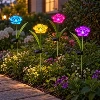
A: Yes, outdoor lighting-particularly solar-powered fixtures and decorative garden lights-is currently one of the fastest-growing segments in the market.
Q: What features do consumers prioritize when selecting Easter LED lighting?
A: Consumers favor lighting products that are dimmable, offer warm tones, and emit a soft glow; additionally, they are showing growing interest in fixtures equipped with smart controls or remote-control capabilities.
Q: How can retailers boost sales of Easter lighting products?
A: By offering bundled decorative solutions, enhancing the visual appeal of product packaging, and focusing on creating emotionally resonant and lifestyle-oriented product displays.
Q: What types of Easter lighting products are best for small retail spaces?
A: Compact and multifunctional lighting products, such as battery-operated string lights, window décor lights, and tabletop LED ornaments, are ideal for small retail environments. These items maximize visual impact without requiring large display areas.
Q: How can Easter lighting improve in-store customer experience?
A: Well-designed Easter lighting can guide customer flow, highlight key product zones, and create a seasonal atmosphere that encourages longer browsing time. Warm and dynamic lighting setups are especially effective in boosting impulse purchases.
Q: What certifications should buyers look for when sourcing Easter decorative lights?
A: For international markets, buyers should prioritize products with certifications such as CE, RoHS, UL, or ETL. These ensure compliance with safety standards and make it easier to enter regulated markets like Europe and North America.
Q: Are energy-efficient Easter lights becoming more important to consumers?
A: Yes, energy efficiency is increasingly important. LED technology, low power consumption, and solar-powered options are highly preferred, especially as sustainability becomes a key purchasing factor.
Q: What packaging styles work best for Easter lighting products in 2027?
A: Packaging that clearly showcases lighting effects, usage scenarios, and emotional appeal performs best. Window boxes, lifestyle imagery, and QR codes linking to demo videos can significantly improve conversion rates.