A focused view of atmosphere, audience appeal, power formats, and assortment planning
According to recent market research, the global Halloween decorations market continues to expand as consumers increasingly invest in seasonal home décor and festive experiences. Driven by rising demand for decorative indoor displays, outdoor ambience, and social media-inspired home styling.
Halloween lighting is therefore moving well beyond a one-night novelty. Across recent buying cycles, retailers have found that consumers are decorating earlier, keeping décor on display longer, and increasingly blending Halloween products with autumn and harvest-themed decorations throughout September, October, and even early November. This longer selling season has encouraged buyers to rethink their assortment strategies.
For 2026 programs, successful retailers are no longer chasing a single hero SKU. Instead, they are building coordinated product families that create a complete lighting experience.
By combining complementary products across multiple display scenarios, retailers not only improve merchandising efficiency but also encourage multiple purchases from the same customer.
For buyers, this means selecting lighting products that work together across windows, mantels, dining tables, porches, shelves, and small outdoor displays.
A consistent collection allows shoppers to easily expand their purchases while helping retailers maintain unified product photography, merchandising materials, and online presentation. Also simplifies in-store operations. Similar lighting tones, matching motifs, and unified packaging make displays easier to build while reducing training requirements for retail staff.
Whether customers are browsing online or shopping in-store, they experience a more cohesive seasonal story, ultimately improving conversion rates and basket size.

Layered Light Creates the Scene
Amber and pumpkin-orange lighting continues to define the visual identity of Halloween. Whether displayed in a storefront window, shared on social media, or placed inside a family home, warm lighting immediately creates the seasonal atmosphere consumers expect. It is often the first visual cue that attracts shoppers to a display and remains one of the strongest purchasing triggers for decorative Halloween products.
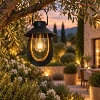
Rather than relying on a single statement piece, buyers should plan layered lighting displays that combine decorative lanterns, tabletop lights, LED candles, and short string-light runs. Layering allows different products to complement one another, creating depth while making it easier for consumers to visualize complete decorating solutions instead of individual items.
This approach offers several commercial advantages. Layered displays photograph more effectively for e-commerce platforms, digital advertising, and retailer social media channels. They also help customers immediately understand how products can be used together, reducing the need for extensive product explanations. In addition, the same lighting combinations can be adapted to stores of different sizes, from compact supermarket displays to large seasonal feature areas.
When developing a product assortment, buyers should also consider maintaining a consistent lighting temperature throughout the collection. A warm amber tone, typically around 1800–2000K, creates visual harmony while allowing individual products to maintain their own design identity. Product photography and packaging should accurately reflect the actual illuminated color, as customers increasingly compare online images with in-store displays before making purchasing decisions.
Friendly Motifs Widen the Audience
Cute ghosts, smiling pumpkins, and simple silhouette designs make seasonal lighting much easier to integrate into family homes, apartments, classrooms, and shared living spaces where consumers want a festive atmosphere without creating an overly frightening environment. In recent years, this style has become one of the fastest-growing segments within Halloween décor, helping retailers expand their target audience beyond traditional Halloween enthusiasts.
For retailers, friendly-themed products appeal not only to families with children but also to young adults, gift buyers, and consumers decorating smaller living spaces. Rather than building an assortment entirely around horror-inspired products, buyers should balance playful tabletop decorations with warm lanterns, decorative candles, string lights, and neutral seasonal accents. This creates a collection that clearly communicates Halloween while remaining suitable for a wider range of households and retail channels.
The same strategy also supports additional sales opportunities in party supplies, classroom decorations, hospitality venues, cafés, and office environments, where retailers often prefer decorative products that create seasonal ambience without appearing too frightening.
When reviewing product samples, buyers should also evaluate whether the character design remains recognizable at different product sizes. A smiling pumpkin or ghost that looks attractive on a large display may lose its visual impact when reduced to a compact tabletop light.
Market Insight
Based on recent market observations, traditional Halloween elements such as pumpkins, ghosts, and bats continue to evolve toward friendlier and more approachable designs. Soft facial expressions, pastel color accents, and rounded silhouettes have become increasingly common as retailers seek products suitable for family-oriented shopping environments.
However, this does not mean consumers have lost interest in interactive Halloween products. On the contrary, illuminated toys featuring sound effects, motion sensors, or interactive lighting functions continue to perform strongly in seasonal promotions. These products create a more engaging shopping experience, particularly in supermarkets, gift stores, and seasonal display areas where interactive demonstrations naturally attract customer attention.
For many retailers, combining decorative lighting with interactive products provides a balanced assortment that appeals to both traditional Halloween shoppers and younger consumers looking for entertainment and novelty.
Buyer Tip
When planning a Halloween collection, avoid relying on only one design style. A practical assortment should combine decorative products that create atmosphere with interactive products that encourage impulse purchases. Decorative lanterns, LED candles, and string lights establish the overall seasonal scene, while illuminated interactive toys generate excitement and increase customer engagement in-store.

Flexible Power Options Support More Placements
Battery-powered lighting remains one of the most practical choices for Halloween displays, especially for shelves, dining tables, entryways, and other locations where power outlets may not be easily accessible. Their portability allows consumers to decorate almost any indoor space without worrying about cable management.
Rechargeable products continue to gain popularity as consumers increasingly value convenience and long-term usability. Compared with disposable battery-powered products, rechargeable lighting offers greater flexibility across multiple holidays and seasonal occasions, making it easier for retailers to position these products as reusable home décor rather than single-season purchases.
For larger outdoor displays, plug-in and solar-powered lighting remain the preferred options. Pathway lights, fence decorations, garden lanterns, and illuminated yard displays often require extended operating hours, making stable power solutions particularly important.
Instead of selecting products solely based on appearance, buyers should carefully match the power source to the intended application. Battery life, waterproof performance, charging methods, timer functions, and certification requirements all directly influence customer satisfaction after purchase.
A well-balanced assortment may include compact battery-operated tabletop products, one or two rechargeable hero items, and several plug-in or solar-powered products designed for larger outdoor installations. This combination enables retailers to serve different customer needs while maintaining a complete seasonal offering.
Supplier Advice
Because Halloween products are highly seasonal, production schedules are often more critical than product selection itself. Retailers should confirm lead times with suppliers as early as possible, especially for customized products, private-label packaging, or exclusive seasonal collections.
Missing the production window may mean missing the entire Halloween sales season. Even an excellent product may lose its commercial value if it arrives after retailers have completed seasonal merchandising.
Early communication also provides suppliers with greater flexibility to recommend alternative materials, adjust production schedules, and coordinate shipping plans before factory capacity becomes limited.
A Practical Assortment Structure

When planning a Halloween lighting program, retailers should focus on how customers decorate, rather than simply increasing the number of SKUs. A well-designed assortment should help shoppers build a complete seasonal atmosphere while making merchandising and inventory management easier for retailers.
Tabletop accents -including pumpkin lights, LED tealights, and friendly character lamps-are ideal for checkout displays and cross-merchandising with costumes, candy, and party accessories. Their compact size and accessible price points make them suitable for impulse purchases.
Lanterns and decorative candles are better suited for entrance displays, dining tables, fireplaces, and living-room decoration. Because these products create a warm and inviting atmosphere, they often become the visual centerpiece of seasonal displays. More importantly, unlike highly themed Halloween decorations, they can continue to be used throughout the autumn season, increasing their value for both retailers and consumers.
String lights remain one of the most flexible product categories. They can be installed on windows, shelves, stair railings, porches, gardens, fences, and party venues, making them suitable for both indoor and outdoor applications. Their versatility also allows retailers to recommend complementary products and create complete decorating solutions rather than selling individual items.
Rather than treating every product equally, retailers should build their assortment around different purchasing scenarios. A balanced product mix typically includes everyday decorative lighting that appeals to a broad customer base, combined with a smaller number of interactive novelty products that generate excitement and encourage impulse purchases.
Frequently Asked Questions
Q1. When should retailers begin sourcing Halloween lighting?
For most international retailers, product development and supplier confirmation should begin several months before the selling season. Early planning provides greater flexibility in production scheduling and shipping while reducing the risk of missing key retail windows.
Q2. Which Halloween lighting products usually have the broadest market appeal?
Decorative lanterns, LED candles, and string lights generally appeal to a wider range of consumers because they can be used across multiple autumn occasions in addition to Halloween itself.
Q3. Are interactive Halloween lighting products still worth purchasing?
Yes. Products featuring illuminated effects, sound, or motion continue to attract strong consumer attention, particularly in supermarkets, seasonal displays, and gift stores. They are excellent products for increasing customer engagement and encouraging impulse purchases.
Q4. What is the biggest risk when purchasing seasonal Halloween lighting?
For most retailers, production lead time is more critical than product selection. Missing the shipping deadline can result in missing the entire Halloween selling season, making early supplier communication essential.
Q5. How can retailers improve sell-through during the Halloween season?
Rather than focusing on individual products, retailers should build coordinated collections with consistent lighting styles, complementary product categories, and multiple price points. This encourages customers to purchase several items together while creating a stronger in-store presentation.