Home decorative lighting refers to lighting solutions designed to enhance ambiance, aesthetics, and spatial experience, rather than serving purely functional illumination purposes. In modern residential and commercial environments, lighting is no longer limited to visibility-it plays a central role in shaping mood, highlighting interior design elements, and influencing how a space is perceived.
With over a decade of experience in supplying decorative lighting to global retailers and private-label brands, Bright Max has observed a clear shift in market demand-from purely functional lighting toward lifestyle-driven, design-oriented products. This change is especially evident in North America and Europe, where portable, energy-efficient, and visually distinctive lighting solutions are driving retail growth.
As consumer demand continues to evolve, decorative lighting has become a key category across retail, e-commerce, and project-based markets. This guide is designed to help importers, distributors, and brand buyers better understand product categories, market trends, and sourcing strategies for decorative lighting.
What is Home Decorative Lighting
Decorative lighting is primarily used to create atmosphere and visual interest within a space. Unlike functional lighting, which focuses on brightness and efficiency, decorative lighting emphasizes design, mood, and spatial aesthetics.
In practical applications, decorative lighting often works alongside ambient and task lighting. This layered lighting approach ensures that a space is both functional and visually balanced, making decorative lighting a key component in modern interior planning.

Types of Home Decorative Lighting
Understanding product categories helps buyers build a balanced and market-relevant product assortment.
Pendant & Hanging Lights
Pendant lights are commonly used as focal points in dining areas, kitchens, and commercial interiors. Their suspended structure naturally draws attention, making them suitable for design-driven spaces.
From a retail and sourcing perspective, pendant lighting tends to perform well in mid-to-high-end markets, where consumers prioritize aesthetics and interior style. These products are often suitable for curated collections, showroom displays, and project-based sales rather than high-volume impulse purchases.
Wall Decorative Lights
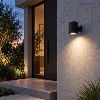
Wall-mounted lighting is used to enhance vertical surfaces, highlight architectural features, or provide accent lighting. These products are often used in hallways, bedrooms, and hospitality environments.
Their combination of functionality and decoration makes them a stable category in both residential and project-based markets.
String & Fairy Lights
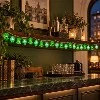
String lights are widely used for seasonal decoration, events, and ambient lighting. They are particularly popular in holiday retail and promotional campaigns.
In retail environments, battery-powered string lights are especially attractive due to their ease of installation and strong impulse purchase potential. They are commonly used in supermarkets, DIY stores, and e-commerce platforms, making them one of the most versatile and high-turnover decorative lighting categories.
Table & Floor Lamps
These portable lighting solutions provide flexibility and are commonly used in living rooms and bedrooms. They help create localized ambiance while maintaining ease of repositioning.
LED Ambient Lighting
LED decorative lighting enables compact designs, energy efficiency, and longer product lifespan. It has become one of the most dominant categories in modern decorative lighting.
LED decorative lighting is more energy-efficient and longer-lasting than traditional lighting solutions, making it highly attractive for both consumers and retailers.

Decorative Lighting by Application
Different environments require different lighting strategies, and understanding application scenarios helps improve product selection.
Living Room Lighting
Decorative lighting in living rooms focuses on creating a warm and inviting environment. A combination of floor lamps, wall lights, and ambient lighting helps achieve a layered effect.
Bedroom Lighting
Bedroom lighting emphasizes comfort and relaxation, with warm color temperatures between 2700K and 3000K commonly preferred.
For buyers, bedroom decorative lighting often focuses on portable and soft-light products such as table lamps and ambient LED fixtures. For more detailed product selection strategies and trends, explore our dedicated bedroom lighting guide.
Outdoor Decorative Lighting
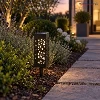
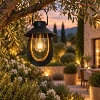
Outdoor lighting extends living spaces into gardens, patios, and balconies, enhancing usability and visual appeal.
Understanding Lighting Layers
Effective decorative lighting is most impactful when combined with ambient and accent lighting as part of a layered lighting strategy. Ambient lighting provides general illumination, while accent lighting highlights specific features, and decorative lighting enhances the visual experience.
This layered approach ensures that lighting is both practical and aesthetically balanced, which is a key principle in modern lighting design.

Key Trends in Decorative Lighting
The decorative lighting market continues to evolve in response to changing consumer behavior and technological development.
Key trends include:
- Energy-efficient LED lighting solutions, driven by sustainability requirements and rising energy costs
- Smart and connected lighting systems, especially in mid-to-high-end residential markets
- Minimalist and modern design styles, aligned with contemporary interior trends
- Portable and battery-powered lighting products, which are gaining popularity due to their flexibility, ease of display, and suitability for retail environments
Among these, battery-powered decorative lighting stands out as one of the fastest-growing segments, particularly in North American retail channels, where ease of use and no-installation features significantly influence purchasing decisions.
How to Choose the Right Indoor Decorative Lighting
When selecting decorative lighting, buyers should consider not only product features but also retail positioning and supply chain factors:
1. Purpose
Determine whether the lighting is intended for ambiance, decoration, or functional enhancement, and align it with your target market segment.
2. Brightness
Evaluate brightness using lumens rather than watts to ensure appropriate light output for different applications.
3. Color Temperature
Warm light creates a cozy atmosphere, while cooler tones are more suitable for functional or commercial environments.
4. Power Type
Battery-powered lights offer flexibility and are ideal for retail and seasonal sales, while plug-in lights provide stable performance for long-term use.
5. Packaging & Display
For retail environments, compact packaging and strong visual presentation can significantly improve product turnover.
6. Certification & Compliance
Ensure products meet relevant market standards such as CE or RoHS to facilitate smooth import and distribution.
We also have specific content that explains how to choose the right indoor decorative lamps for different rooms.
Common Mistakes When Choosing Decorative Lighting
Common mistakes include:
- Choosing brightness based on watts instead of lumens
- Ignoring color temperature
- Overlooking installation requirements
- Selecting designs that do not match the space
Avoiding these mistakes can significantly improve product performance and customer satisfaction.
Market Insights: What Sells in Decorative Lighting
In global retail markets, certain decorative lighting categories consistently outperform others.
Based on our experience working with international buyers, battery-powered decorative lights, LED ambient fixtures, and seasonal string lights are among the most stable and high-performing categories. These products benefit from easy installation, strong visual appeal, and suitability for both online and offline retail channels.
In North America, portable lighting and minimalist LED designs continue to gain popularity, particularly in large retail chains and e-commerce platforms. Seasonal decorative lighting remains a key driver of sales, especially during holiday periods, where visual merchandising and impulse buying play a significant role.

Wrapping Up
Choosing the right decorative lighting products requires a clear understanding of product types, application scenarios, and evolving market trends. For buyers, success in this category depends not only on selecting visually appealing designs, but also on aligning product choices with consumer preferences and retail strategies.
As a professional decorative lighting supplier, Bright Max supports global buyers with OEM/ODM customization, stable supply chain capabilities, and market-driven product development. Whether you are sourcing for retail, e-commerce, or project-based applications, our team is ready to help you build a competitive product range.
Explore our related guides below to gain deeper insights into specific lighting categories and market opportunities.
👉Work Light Guide: How to Choose the Proper Work Light for Every Job
👉2026 Christmas Lighting Trends: How Holiday Decoration Is Evolving Globally
👉2027 Easter Lighting Trends: How Decorative Lighting Will Reshape Spring Retail
Decorative Lighting FAQ
Frequently Asked Questions About Home Decorative Lighting
What is decorative lighting used for?
Decorative lighting is primarily used to enhance ambiance, create visual interest, and improve the overall aesthetic of a space rather than providing basic illumination.
What types of decorative lighting are most popular?
Popular types include LED ambient lighting, string lights, pendant lights, and portable decorative lamps, as they combine visual appeal with practical usability.
Are LED decorative lights better than traditional lighting?
Yes. LED decorative lighting is more energy-efficient, has a longer lifespan, and allows for more flexible and compact design compared to traditional lighting.
How do I choose decorative lighting for different rooms?
Choose lighting based on the room's function. Living rooms benefit from layered lighting, bedrooms require warm and soft lighting, while outdoor spaces need weather-resistant decorative solutions.
What color temperature is best for decorative lighting?
Warm white light (2700K–3000K) is generally preferred for decorative lighting because it creates a cozy and relaxing atmosphere.
What is the difference between ambient and decorative lighting?
Ambient lighting provides overall illumination, while decorative lighting focuses on aesthetics and visual enhancement within a space.
Are battery-powered decorative lights a good option?
Yes. Battery-powered decorative lights are popular due to their portability, easy installation, and suitability for temporary or seasonal use.
What decorative lighting products sell best in retail markets?
Battery-powered lights, LED ambient lighting, and seasonal string lights are among the best-selling categories due to strong consumer demand and versatility.
Can decorative lighting be used outdoors?
Yes. Many decorative lighting products are designed for outdoor use, including string lights, garden lights, and wall-mounted fixtures, provided they are weather-resistant.
Can decorative lighting products be customized for brands?
Yes. Many manufacturers offer OEM services such as logo printing, packaging customization, and product design adjustments to meet specific market needs.