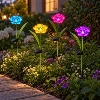
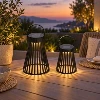
For many years, decorative lighting products were often sold as individual items. Retailers selected a few table lamps, seasonal decorations, or night lights based on price, appearance, or seasonal demand. Consumers, in turn, purchased lighting primarily to solve a functional problem-adding brightness to a room or replacing an outdated fixture.
Today, that buying behavior has fundamentally changed.
Modern consumers no longer purchase decorative lighting simply to illuminate a space. Instead, they use lighting to create atmosphere, express personal style, improve comfort, and support different activities throughout the day. As homes increasingly serve as workplaces, entertainment areas, and relaxation spaces, a single light source is no longer enough.
This shift has given rise to one of the fastest-growing concepts in home décor: Layered Lighting
Rather than relying on one bright ceiling fixture, consumers are combining multiple light sources with different purposes to create flexible, comfortable living environments. Ambient lamps, decorative table lights, portable rechargeable lamps, silicone night lights, and seasonal decorative lighting now work together as coordinated collections rather than individual products.
For retailers and importers, this trend represents much more than a design concept. It changes how decorative lighting should be sourced, merchandised, and presented to customers.
Based on our experience supplying decorative lighting products to retailers across Europe, buyers are increasingly looking for product families that share a consistent design language instead of purchasing unrelated lighting products one SKU at a time.

What Is Layered Lighting?
Layered lighting is the practice of combining multiple types of lighting to achieve both functional illumination and visual comfort within the same space.
Instead of depending on a single light source, different lighting layers work together to serve different purposes.
The three primary layers include:
The comprehensive guide Home Decorative Lighting Buyer's Guide for various types of fixtures, helping you understand layered lighting.
- Ambient Lighting
Ambient lighting provides the overall illumination of a room. It creates a comfortable level of brightness that allows people to move safely and perform everyday activities.
Examples include:
Ceiling lighting
Portable table lamps
Rechargeable decorative lamps
Floor lamps
For manufacturers like Bright Max, portable rechargeable decorative lamps have become an increasingly popular solution because they allow consumers to create ambient lighting without permanent installation.
- Task Lighting
Task lighting focuses on specific activities that require greater visibility.
Typical applications include:
Reading
Working from home
Cooking
Studying
Craft projects
Unlike ambient lighting, task lighting prioritizes functionality over decoration.
Although Bright Max primarily focuses on decorative low-voltage lighting, understanding task lighting helps retailers create more complete lighting collections that meet different consumer needs.
- Accent Lighting
Accent lighting is designed to draw attention to decorative elements or create visual interest.
Common examples include:
- Mushroom lamps
- Silicone night lights
- Decorative lights
- Seasonal decorative lighting
- Small portable ambient lamps
Unlike task lighting, accent lighting emphasizes atmosphere rather than brightness.
This category has experienced particularly strong growth as consumers increasingly use lighting to personalize living spaces and create relaxing environments.

Why Layered Lighting Has Become a Global Retail Trend
Layered lighting is not simply an interior design trend-it reflects broader changes in how people live, work, and interact with their homes.
For retailers, understanding these lifestyle changes is essential when planning future product assortments.
1. Homes Have Become Multi-Functional Spaces
Remote work, online learning, and flexible lifestyles have transformed the role of the home.
A living room may function as: Office during the day/Family gathering space in the evening/Entertainment area at night
Each activity requires a different lighting atmosphere.
Consumers therefore prefer combining multiple lighting products that can adapt throughout the day rather than relying on one fixed light source. Retailers that offer coordinated decorative lighting collections are better positioned to serve these evolving lifestyle needs than retailers selling only standalone lamps.
2. Atmosphere Has Become More Important Than Brightness
Traditional lighting purchasing decisions focused primarily on lumen output and energy efficiency.
Today's consumers increasingly value:
Warm ambience/Comfort/Relaxation/Emotional well-being/Interior aesthetics
Decorative lighting has evolved from a functional household product into an essential element of home décor. This explains why categories such as mushroom lamps, rechargeable table lamps, silicone night lights, and portable ambient lighting continue expanding in many retail markets.
3. Social Media Continues to Shape Consumer Preferences
Platforms such as Instagram, Pinterest, TikTok, and YouTube have significantly influenced interior decoration trends.
Instead of purchasing isolated products, consumers often recreate complete room aesthetics inspired by creators and influencers.
Lighting plays a central role in these environments because it directly affects mood, photography, and perceived comfort.
As a result, shoppers increasingly purchase multiple complementary lighting products that share similar colors, materials, and design styles.
This behaviour naturally encourages retailers to develop coordinated lighting collections rather than focusing on individual products.
4. Portable Lighting Supports Greater Lifestyle Flexibility
Rechargeable decorative lighting has become one of the fastest-growing categories within the home décor industry.
Consumers appreciate products that can easily move between different rooms. Portable decorative lighting adds another layer to home lighting without requiring electrical installation, making it especially attractive for renters, apartment dwellers, and younger consumers.
For retailers, this creates opportunities to expand product ranges beyond traditional plug-in lighting.
5. Decorative Lighting Is Becoming a Lifestyle Category
Perhaps the biggest change is that decorative lighting is no longer purchased solely as a lighting product.
Instead, consumers increasingly view it as part of their personal lifestyle and interior decoration choices.
Rather than competing individually, these products work together as a complete decorative lighting ecosystem.
Retail buyers should no longer evaluate decorative lighting as isolated products. Instead, successful assortments are increasingly built around coordinated collections that combine ambient lighting, decorative lighting, portable lighting, and seasonal lighting into a consistent product offering.
Consumers Are Buying Collections, Not Just Lamps
One of the most noticeable changes in recent years is the growing demand for coordinated home décor.
Rather than purchasing a single table lamp, consumers often combine several decorative lighting products with a similar style, color palette, or material. This buying behavior creates opportunities for retailers to increase average order value through cross-selling instead of relying on individual product sales.
Bright Max Experience
Based on our experience working with retailers in Europe and North America, buyers are increasingly requesting coordinated decorative lighting collections rather than selecting individual products from different suppliers. Consistent product design and packaging make it easier for retailers to build attractive displays and strengthen their own brand identity.
- Build Product Families Instead of Expanding Individual SKUs
Many retailers assume that offering more products automatically creates a stronger assortment.
In reality, adding unrelated SKUs often makes category management more complicated without improving the shopping experience.
A more effective strategy is to build product families.
For example:
|
Collection |
Supporting Products |
|
Mushroom Lamp |
Silicone Night Light, Portable Table Lamp |
|
Rechargeable Ambient Lamp |
Outdoor Decorative Lamp, Camping Light |
|
Seasonal Decorative Collection |
Christmas Lighting, Easter Decorations, Halloween Lighting |
When products share a consistent design language, color scheme, and packaging style, retailers can create complete merchandising solutions instead of displaying unrelated items.
This approach also supports private label programs by giving brands a more recognizable product identity.
Layered Lighting Creates More Selling Opportunities
Layered lighting is valuable because it encourages consumers to purchase products for different purposes rather than comparing similar lamps based only on price.
For retailers, this means creating multiple purchasing opportunities within a single category.
This strategy reduces direct price competition while increasing the perceived value of the overall product range.

What Buyers Should Look for When Choosing a Decorative Lighting Supplier
Selecting the right supplier is just as important as selecting the right products.
A supplier capable of supporting layered lighting collections should provide more than individual lamp designs.
Retail buyers should evaluate suppliers based on the following criteria:
- Consistent Design Language
Products within the same collection should share similar colors, materials, finishes, and overall styling to create a unified retail presentation.
- Reliable Product Quality
Consumers expect decorative lighting products to perform consistently throughout daily use.
For rechargeable products, battery stability, LED lifespan, charging safety, and material quality are particularly important.
- Flexible OEM and Private Label Support
Many retailers want exclusive collections that reflect their own brand identity.
A supplier with OEM and private label experience can help buyers develop coordinated product families while maintaining consistent packaging and visual design.
- Stable Supply Chain
Decorative lighting often involves seasonal promotions and new product launches.
Reliable production planning, quality control, and delivery schedules are essential for ensuring products arrive before peak selling seasons.
- Practical Insight
As decorative lighting becomes increasingly lifestyle-oriented, retailers are shifting from sourcing individual products to building complete collections that tell a consistent design story.
Suppliers who can support coordinated product development, unified packaging, and long-term category planning are becoming preferred partners for retailers seeking sustainable growth rather than short-term purchasing.
- Buyer Takeaway
Layered lighting is no longer simply an interior design concept. It represents a changing retail strategy driven by evolving consumer lifestyles.
Instead of asking "Which lamp should we import?", successful retailers are increasingly asking:
- Which products work well together?
- How can we build a consistent decorative lighting collection?
- How can we encourage repeat purchases through coordinated product families?
For suppliers, the opportunity is no longer just to manufacture individual lamps, but to help retailers develop complete decorative lighting solutions that meet modern consumer expectations.
FAQ
1. What is layered lighting?
Layered lighting combines ambient, task, and accent lighting to create a space that is both functional and visually comfortable. Instead of relying on a single light source, it uses multiple lighting products to support different activities and create a more balanced atmosphere.
2. Why is layered lighting becoming more popular?
Consumers increasingly use lighting to create mood and personalize their living spaces, not just to provide brightness. As homes become more flexible for work, relaxation, and entertainment, layered lighting offers a practical way to adapt different spaces throughout the day.
3. Why should retailers build layered lighting collections instead of selling individual lamps?
Coordinated lighting collections encourage cross-selling, improve product presentation, and strengthen brand identity. Instead of competing on individual products, retailers can offer complete decorative lighting solutions that better match today's consumer buying habits.
4. Which decorative lighting products work well together?
Portable ambient lamps, mushroom lamps, silicone night lights, rechargeable table lamps, and seasonal decorative lighting are natural complements. Offering products with consistent designs and packaging helps retailers create collections that are easier for consumers to understand and purchase.
5. What should buyers look for when choosing a decorative lighting supplier?
Beyond product quality, buyers should evaluate whether a supplier can support consistent product design, OEM and private label projects, coordinated packaging, and reliable delivery. Suppliers that can develop complete product collections often provide greater long-term value than those offering individual products only.