Walk into almost any modern home today, and you'll notice something has changed.
Instead of relying on a single bright ceiling light, many living spaces now feature multiple light sources working together. A mushroom lamp adds warmth to a bedside table, a rechargeable ambient lamp creates a cozy reading corner, while soft decorative lights transform an ordinary shelf into a focal point.
These products are rarely purchased because people need more brightness.
They are purchased because people want a different feeling.
This shift reflects a broader change in consumer behavior. Lighting is no longer viewed simply as a functional necessity-it has become part of interior design, personal expression, and everyday lifestyle. Mood lighting has evolved from a niche décor trend into one of the fastest-growing categories in the home décor market.
For retailers, distributors, and private label brands, this trend presents more than just another product opportunity. It represents a long-term shift in purchasing priorities, where design, atmosphere, and emotional value increasingly influence buying decisions alongside price and functionality.
Based on our experience supplying decorative lighting products to retailers across Europe, North America, Japan, and Australia, we've seen buyers gradually expand their product portfolios. This evolution reflects changing consumer expectations rather than a short-lived trend.

What Is Mood Lighting?
Mood lighting refers to lighting designed primarily to create atmosphere rather than provide general illumination.
Unlike ceiling lights or task lamps that focus on brightness and functionality, mood lighting emphasizes comfort, warmth, and visual appeal. It helps shape how a space feels, making a room appear more relaxing, inviting, or expressive.
Common mood lighting products include:
- Mushroom lamps
- Silicone night lights
- Portable table lamps
- Decorative LED lamps
- String lights
- Seasonal decorative lighting
Although these products vary in style and application, they typically share several characteristics:
- Soft, diffused illumination
- Warm color temperatures, usually between 2700K and 3000K
- Compact or portable designs
- Decorative shapes and finishes
- Rechargeable or battery-powered operation
Mood lighting also plays an important role in layered lighting, a design approach that combines ambient, task, and accent lighting to create a more balanced living environment. Rather than depending on one bright fixture, consumers now prefer multiple light sources that can be adjusted to suit different activities and moods throughout the day.
Buyer Takeaway
For retailers, this is an important distinction. Consumers purchasing mood lighting are often evaluating products based on appearance, atmosphere, portability, and overall design rather than lumen output alone.
Products that combine aesthetic appeal with practical features-such as rechargeable batteries, touch controls, dimmable brightness, or portable designs-are generally better positioned to meet today's consumer expectations than products competing solely on brightness.

Why Has Mood Lighting Become One of the Fastest-Growing Home Décor Categories?
The rapid growth of mood lighting is not driven by a single trend. Instead, it reflects several long-term changes in how people live, decorate, and interact with their homes.
Below are the six most significant factors shaping demand today.
Homes Have Become Multi-Purpose Living Spaces
Over the past few years, the role of the home has changed dramatically.
Living rooms have become offices during the day and entertainment spaces in the evening. Bedrooms are no longer just places to sleep-they are also reading areas, relaxation zones, and personal retreats.
As people spend more time at home, they expect their living spaces to adapt to different activities throughout the day. Lighting has become one of the simplest ways to create these transitions without changing furniture or renovating an entire room.
Instead of installing additional fixed lighting, consumers increasingly choose portable decorative lamps that can be moved wherever they are needed.
This flexibility explains why rechargeable table lamps and compact ambient lights continue gaining popularity across different markets.
Practical Insight
In conversations with retail buyers, portability has become a recurring purchasing criterion. Products that easily transition from bedside tables to bookshelves, balconies, or outdoor dining areas generally appeal to a broader range of consumers and offer retailers greater merchandising flexibility.
Consumers Care More About Atmosphere Than Brightness
For decades, lighting products were marketed around technical specifications such as wattage, lumen output, and energy efficiency.
While these factors remain important, they are no longer the primary reason many consumers purchase decorative lighting.
Today's buyers are asking different questions:
"Will this make my room feel warmer?"
"Does this create a cozy atmosphere?"
"Will this fit my interior style?"
This shift reflects the growing importance of emotional value in home décor purchasing decisions.
Warm white lighting, indirect illumination, and diffused light are increasingly preferred over harsh, high-intensity lighting for bedrooms, living rooms, cafés, and hospitality-inspired home environments.
Rather than becoming the main source of illumination, mood lighting complements existing lighting by adding comfort, depth, and visual interest.
For retailers, this means product design often has a greater influence on purchasing decisions than maximum brightness.
Buyer Takeaway
When selecting decorative lighting products, evaluate them from the consumer's perspective rather than focusing exclusively on technical specifications. Color temperature, light diffusion, and visual design frequently influence purchasing decisions more than lumen output in the mood lighting category.
Social Media Is Accelerating Consumer Demand
Home décor trends have always evolved, but social media has dramatically increased the speed at which they spread.
Platforms such as Instagram, Pinterest, TikTok and YouTube have transformed lighting from a background element into a central feature of interior styling. Consumers are constantly exposed to carefully designed living spaces where lighting plays a key role in creating atmosphere.
Unlike large furniture purchases, decorative lighting is relatively affordable. Consumers can recreate the aesthetic of a professionally designed space with a modest investment, making mood lighting one of the easiest home décor categories to purchase on impulse.
This has also shortened product life cycles. Designs that gain popularity online can generate significant retail demand within a relatively short period, encouraging retailers to update their decorative lighting collections more frequently than traditional lighting ranges.
Practical Insight
Based on our observations, retailers are increasingly looking for products with distinctive silhouettes, premium finishes, and gift-ready packaging. These characteristics not only enhance shelf appeal but also improve the likelihood of products being shared across social media, creating additional organic exposure beyond traditional retail channels.
Lighting Has Become Part of Home Décor
Perhaps the biggest change in recent years is that lighting is no longer viewed solely as a functional household product-it has become an essential element of interior decoration.
Consumers today often choose a lamp in the same way they choose a vase, artwork, or decorative object. Shape, material, texture, and finish have become just as important as lighting performance.
This trend is reflected in the growing popularity of sculptural lighting, mushroom lamps, ceramic table lamps, textured glass lamps, and minimalist portable lighting. Instead of blending into the background, these products are designed to become part of a room's visual identity.
As a result, consumers are increasingly willing to pay more for decorative lighting that complements their interior style, even when similar products offer comparable lighting performance.
For retailers, this creates an opportunity to move beyond competing solely on price. Well-designed decorative lighting often supports stronger margins because customers perceive it as both a functional product and a décor accessory.
Practical Insight
In our experience working with home décor retailers, products featuring timeless silhouettes and premium materials generally remain relevant longer than highly trend-driven designs. Building a balanced assortment that combines classic styles with seasonal collections can help reduce inventory risk while maintaining consumer interest.
Buyer Takeaway
Consider lighting products as part of your home décor assortment rather than a standalone lighting category. Cross-merchandising decorative lamps with furniture, home accessories, and seasonal displays often creates stronger retail performance.
Affordable Products with High Perceived Value
Unlike replacing furniture or renovating an entire room, adding a decorative lamp is a relatively affordable purchase that can dramatically change the atmosphere of a space.
This makes mood lighting an attractive category even during periods of cautious consumer spending.
For many consumers, purchasing a decorative light feels like an achievable lifestyle upgrade rather than a major financial decision.
This combination of affordability and emotional satisfaction encourages impulse purchases, gift purchases, and repeat buying throughout the year.
Retailers also benefit because decorative lighting naturally fits multiple sales occasions, including:
- Housewarming gifts
- Holiday shopping
- Seasonal home refreshes
- Children's room decoration
- Outdoor entertaining
Unlike many large furniture items, decorative lighting can generate repeat sales as consumers update different rooms or follow changing interior design trends.
Buyer Takeaway
When evaluating new product lines, consider not only product cost but also the number of consumer purchase occasions. Products suitable for gifting, seasonal promotions, and year-round home décor typically offer greater long-term sales potential.
Consumers Are Looking for Products That Support Well-Being
Modern consumers increasingly associate their homes with relaxation, comfort, and emotional well-being.
After spending long hours at work or on digital devices, many people actively seek environments that feel calm and inviting.
Lighting plays a significant role in creating these environments.
Warm color temperatures, soft illumination, and indirect lighting are widely used to reduce visual harshness and create spaces suitable for reading, relaxing, or spending time with family.
While mood lighting should not be viewed as a health product, it has become closely connected with broader lifestyle trends focused on comfort, mindfulness, and creating enjoyable living spaces.
For retailers, this means decorative lighting is increasingly purchased because of the experience it creates rather than purely because of its technical specifications.
Practical Insight
Based on our observations, retailers are paying greater attention to adjustable brightness, rechargeable designs, touch controls, and portable functionality. These features improve everyday usability while maintaining the clean, minimalist appearance consumers increasingly prefer.

Fast-Growing Mood Lighting Categories Worth Watching
Although mood lighting covers a wide range of products, several categories have shown particularly strong retail momentum in recent years.
Mushroom Lamps
Inspired by mid-century and contemporary interior design, mushroom lamps have become one of the most recognizable decorative lighting styles.
Learn more about the Mushroom Lamp Market Analysis: Design Evolution, Popularity Drivers, and Future Trends
Consumers are increasingly attracted to ceramic, glass, resin, and matte finishes that elevate these lamps from functional lighting to decorative statement pieces.
Silicone Night Lights
Originally designed for children's bedrooms, silicone night lights have expanded into a broader lifestyle category.
Learn more Why Silicone Lights Are Gaining Popularity in Global Markets.
Soft-touch materials, rechargeable batteries, and playful designs have made these products popular as gifts, bedside accessories, and decorative lighting for apartments and dormitories.
Portable Ambient Lamps
Rechargeable portable lamps continue gaining popularity because they offer flexibility that traditional wired products cannot.
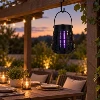
Consumers appreciate the ability to move lighting between living rooms, bedrooms, balconies, patios, restaurants, and outdoor gatherings without worrying about power outlets.
Seasonal Decorative Lighting
Seasonal lighting is no longer limited to Christmas. Consumers increasingly purchase decorative lighting for Halloween, Easter, Valentine's Day, garden parties, and year-round celebrations.
For retailers, seasonal collections provide opportunities to introduce fresh designs and encourage repeat purchases throughout the year.
Solar Decorative Lighting
Advances in solar technology have expanded decorative solar lighting beyond traditional pathway lights.
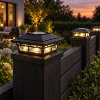
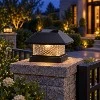
For retailers serving markets with strong outdoor living cultures, this category offers additional growth opportunities while supporting sustainability trends.
What Retail Buyers Should Look For When Sourcing Mood Lighting
Growing consumer demand does not eliminate the importance of product quality.
Retail buyers should evaluate mood lighting products from both a design and technical perspective.
- Consistent Color Temperature
- High-Quality Materials
- Rechargeable Battery Performance
- Product Safety and Compliance
- Packaging and Shelf Appeal
Buyer Takeaway
Successful mood lighting products balance attractive design, reliable quality, practical functionality, and regulatory compliance. Focusing on only one of these factors may limit long-term market success.

Frequently Asked Questions
1. Is mood lighting just a temporary trend?
Current market trends suggest that mood lighting represents a long-term shift in consumer preferences rather than a short-lived fashion. The growing popularity of layered lighting, home personalization, and lifestyle-focused interiors continues to support demand.
2. What is the difference between mood lighting and decorative lighting?
Decorative lighting is a broad category that includes lighting chosen for both appearance and function. Mood lighting is a subset of decorative lighting where creating atmosphere is the primary purpose, with brightness playing a secondary role.
3. Why are mushroom lamps becoming so popular?
Their sculptural appearance, soft diffused lighting, and compatibility with modern interior styles make mushroom lamps appealing to consumers looking for both decoration and functionality.
4. What features should retailers prioritize when sourcing mood lighting?
Beyond attractive design, retailers should pay attention to color temperature consistency, material quality, battery performance, product safety, packaging, and regulatory compliance.
5. Which markets show the strongest demand for mood lighting?
Demand is growing across Europe, North America, Japan, and Australia, driven by increasing interest in home decoration, lifestyle products, and personalized living spaces.