Introduction: Why Mushroom Lamps Are Becoming the New Global Lighting Trend
In recent years, the mushroom lamp has evolved from a niche decorative accent into one of the most recognizable and popular trends within the home lighting sector. Whether as a desktop lamp, a floor lamp beside a sofa, or an outdoor decorative fixture, mushroom lamps are now ubiquitous. The decorative lamp market size is projected to reach approximately USD 19.7 billion to USD 45.7 billion by 2030, growing at a CAGR of 4.8% to 5.68%-with mushroom lamps accounting for 50% of this product category. Once a design style with distinct retro overtones, this fixture has now ascended to the ranks of mainstream decorative lighting, enjoying widespread popularity across Europe, North America, and emerging markets.
Driven collectively by extensive social media exposure, shifting consumer lifestyles, and a growing demand for emotionally resonant and atmospheric lighting, the mushroom lamp is no longer merely a design statement; for retailers and importers worldwide, it represents a product niche with immense potential.
What Is a Mushroom Lamp?
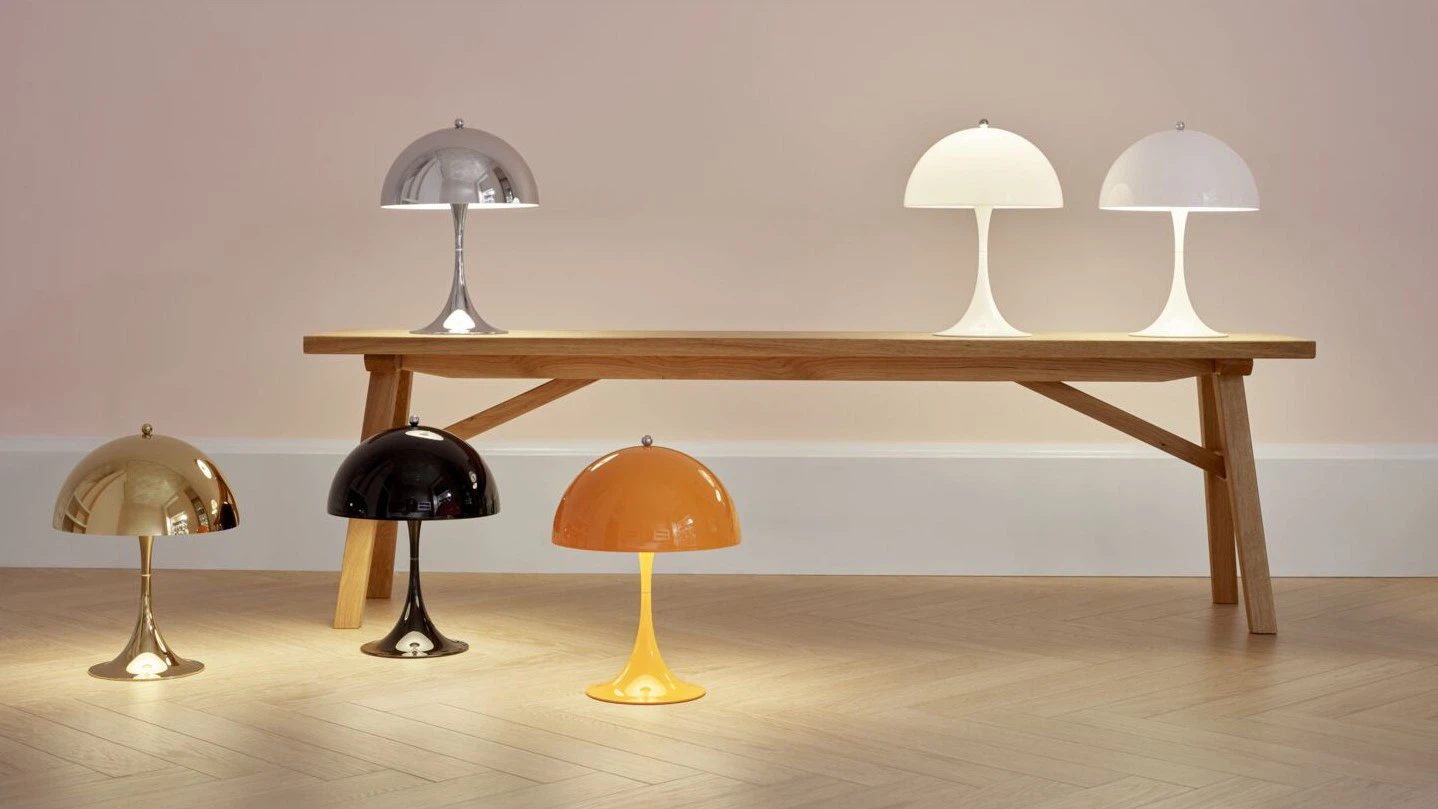
Most people assume that a mushroom lamp is simply a light fixture designed to mimic the appearance of a realistic mushroom, or one that merely bears a resemblance to the fungal form. In reality, the definition of a mushroom lamp is quite broad; thanks to years of innovation and evolution in decorative lighting, the "mushroom" motif now manifests in a wide variety of designs. Technically speaking, a mushroom lamp is a decorative lighting fixture distinguished by a unique, mushroom-like silhouette. It typically consists of two primary components:
- A rounded, dome-shaped shade (the "cap")
- A slender or sculptural base (the "stem")
This structural design offers not only aesthetic appeal but also practical functionality. Its rounded, dome-like shape helps to evenly disperse light, creating a soft, diffused glow that enhances the comfort and ambiance of a space.
Unlike traditional desk lamps, which typically direct light in a single direction, mushroom lamps provide omnidirectional illumination, making them an ideal choice for creating atmospheric lighting and enhancing interior decor.
The Evolution of the Mushroom Lamp: From 1970s Icon to Modern Bestseller
Origins: Mid-Century Modernism and the 1970s Design Wave
Mushroom lamps first rose to popularity during the 1960s and 70s, particularly in Europe. Designers of that era were keen on experimenting with the following design elements:
- Organic forms (biomorphic shapes)
- Space Age aesthetics
- The use of materials such as glass, metal, and acrylic
These early designs not only reflected the broader socio-cultural trends of the time-which championed nature-inspired motifs and futuristic forms-but also frequently achieved a perfect fusion of artistic expression and practical functionality.
A Period of Quietude and Niche Market Resilience
From the 1980s through the early 2000s, with the rise of Minimalism and Industrial-style design trends, the popularity of highly decorative lighting forms-such as the mushroom lamp-temporarily waned. Nevertheless, they remained active within the following spheres:
- Vintage markets
- Designer collections
- Niche, retro-style interior design
Revival in the Digital and Social Media Era
Between approximately 2020 and 2023, the "mushroom lamp" experienced a powerful resurgence, driven primarily by:
- Aesthetic trends on Pinterest and Instagram
- Home decor trends spearheaded by TikTok
- The rise of "Cozy" and "Cottagecore" lifestyle aesthetics
Search data indicates that global monthly search volume for mushroom lamps currently exceeds 18,000 queries, while the item has garnered millions of views across various social media platforms.
This wave of revival has fundamentally transformed the mushroom lamp-shifting it from a mere nostalgic artifact into a fully commercialized product category driven by contemporary pop culture trends.
Modern Evolution (2024–2026)
Today, the mushroom lamp has undergone a significant evolution:
- It features a wireless and rechargeable design.
- It incorporates touch controls and brightness adjustment capabilities.
- Its color palette leans toward warm, neutral tones.
- It exhibits a sculptural, matte finish.
The modern iteration of the mushroom lamp seamlessly blends vintage aesthetics with contemporary technology, serving equally well as a decorative accent piece and a practical lighting fixture.

Why Mushroom Lamps Are So Popular
At first glance, the success of mushroom lamps may seem like just another cycle of retro revival. But when you look closer at how people actually use them-and why they keep showing up across homes, cafés, and social media-it becomes clear that their popularity is rooted in something deeper than nostalgia.
A Shape That Feels Instinctively Comfortable
There's something immediately approachable about the mushroom form.
Unlike sharp-edged or highly technical lighting designs, the rounded dome and soft proportions feel: Safe, Balanced, Almost "alive" in a subtle way
This isn't accidental. In interior design, curved forms are often associated with relaxation and psychological comfort. The mushroom lamp fits naturally into this preference, especially in spaces meant for unwinding-bedrooms, reading corners, and quiet living areas.
It's one of those rare designs that doesn't need explanation. People tend to like it instantly, without needing to be convinced.
Light That Works With the Space, Not Against It
A big part of the appeal comes from how mushroom lamps handle light.
Instead of projecting brightness outward like a task lamp, the dome structure diffuses light downward and outward in a soft, even way. In practice, this creates:
- Fewer harsh shadows
- Less glare
- A warmer, more contained atmosphere
This makes them especially suitable for:
- Nightstands
- Side tables
- Ambient lighting setups
As more consumers move away from overly bright, "clinical" lighting, this kind of low-intensity, mood-focused illumination has become much more desirable.
They Sit Between Decoration and Function
One reason mushroom lamps perform so well at retail is that they are not purely functional-and not purely decorative either.
Even when switched off, they still:
- Hold visual weight
- Add structure to a space
- Act as a small sculptural object
This dual role is important. Buyers today are increasingly selective about what they bring into their homes. Products that serve only one purpose-especially purely decorative ones-tend to face more resistance.
Mushroom lamps, on the other hand, justify their presence. They light the space, but they also complete it visually.
Strong Alignment With Current Lifestyle Trends
If you look at broader home décor trends over the past few years, several themes stand out:
- "Cozy" and comfort-driven interiors
- Slower, more intentional living
- Spaces designed for personal well-being rather than display
Mushroom lamps fit into all of these without needing to be adapted.
They don't dominate a room. They don't demand attention in an aggressive way. Instead, they quietly support the kind of environment people are trying to create-soft, warm, and slightly introspective.
This is also why they frequently appear in:
- Café interiors
- Boutique hotels
- Lifestyle-focused retail displays
Social Media Didn't Create the Trend-But It Amplified It
Platforms like Instagram and TikTok have played a clear role in accelerating demand, especially through content centered around "cozy rooms" and aesthetic setups.
The hashtag culture around mushroom lamps-often tied to themes like:
- Soft lighting
- Relaxing night routines
- "Mushroom room" or ambient décor
has helped introduce the product to a wider audience.
However, what's important is that the product holds up offline.
It's not just visually appealing in photos-it actually performs well in real environments. That's a key reason why the trend has sustained rather than fading quickly.
Easy to Integrate Across Different Interior Styles
Another practical advantage is versatility.
Mushroom lamps can adapt to a wide range of design directions:
- Retro interiors (1970s revival)
- Scandinavian minimalism (neutral tones, simple forms)
- Modern luxury (stone, metal finishes)
- Playful or eclectic spaces (colorful or patterned designs)
This flexibility makes them a relatively "safe" product for buyers. They don't require a very specific theme to work, which lowers the risk in both retail selection and consumer purchase decisions.
A Rare Balance of Familiarity and Novelty
Finally, mushroom lamps hit a balance that is difficult to achieve in product design, they feel familiar enough to be accepted quickly, but distinct enough to stand out
This balance is exactly what drives repeat visibility in the market. Consumers don't see them as strange or experimental-but they also don't see them as generic.
That combination is a big part of why mushroom lamps have moved beyond being a short-term trend and are gradually becoming a recognizable category in decorative lighting.

How Mushroom Lamps Are Evolving Beyond Nostalgia
While mushroom lamps initially returned as a nostalgic revival, the category is now clearly entering a more mature and design-driven phase. What we are seeing is not just a continuation of the trend-but a redefinition of what a "mushroom lamp" represents in modern interiors.
From Lightweight Decor to "Heavier" Luxury Objects
One of the most noticeable shifts is the move toward elevated materials and visual weight.
Earlier mushroom lamps often relied on plastic or lightweight acrylic. In contrast, newer designs are embracing:
- Solid marble and stone bases
- Murano or hand-blown glass shades
- Brushed brass and all-metal constructions
These materials do more than improve durability-they fundamentally change perception. The lamp is no longer just decorative; it becomes a permanent, collectible object that signals quality and taste.
There's a clear alignment here with the broader "quiet luxury" movement in home décor.
A Move Toward Moodier, More Confident Aesthetics
Newer designs are:
- Darker (deep green, black, smoked glass)
- More sculptural
- Less "cute" more intentional and bold
This reflects a shift in consumer mindset. Buyers are no longer just decorating-they are curating spaces. And mushroom lamps are increasingly chosen as statement pieces rather than background accents.
Organic Design Is Becoming More Abstract
Interestingly, the design language is also becoming more sophisticated.
Instead of literal mushroom or toadstool shapes, many new products are moving toward:
- Seed pod-inspired silhouettes
- Soft, asymmetrical domes
- Forms that feel "grown" rather than manufactured
This aligns with the rise of biophilic and organic modernism, where design mimics natural growth patterns rather than copying nature directly.
The result is a product that feels more timeless and less theme-dependent-important for long-term retail viability.
Tactile, Handcrafted Finishes Are Gaining Value
Another subtle but important shift is the move away from glossy perfection toward texture and tactility.
We're seeing increasing interest in:
- Papier-mâché finishes
- Hand-blown or imperfect glass
- Speckled, dotted, or "confetti" surfaces
- Matte coatings with soft diffusion
These details matter. They introduce a sense of authenticity and craftsmanship, which is becoming a key purchase driver, especially in mid-to-high-end markets.
FromNostalgia to Collectible Design
Perhaps the most important evolution is conceptual.
Mushroom lamps are no longer just "retro-inspired lighting"
They are becoming: Sculptural objects, Conversation pieces, Design collectibles
This is why iconic all-metal styles and architectural forms are gaining traction. Consumers are increasingly willing to invest in lighting that holds visual value even when switched off.
Color Is Expanding Beyond Traditional Warm Tones
While classic amber, yellow, and orange tones remain popular for their warmth, the palette is broadening.
Emerging directions include:
- Bold monochromes (black, cobalt blue, forest green)
- Neutral luxury tones (stone, sand, ivory)
- Artistic finishes (swirls, marbling, speckled patterns)
This allows mushroom lamps to fit into a wider range of interiors-from Scandinavian minimalism to more expressive, eclectic spaces.

Final Insight: A Trend That Is Quietly Becoming a Design Standard
What makes mushroom lamps particularly interesting is that they are no longer behaving like a typical trend cycle (rise → peak → decline).
Instead, they are transitioning into something more stable:
- A recognizable design archetype
- A flexible product category
- A platform for material and aesthetic innovation
For buyers and product developers, this means the opportunity is not just to follow the trend-but to define what the next generation of mushroom lighting looks like.
FAQ
Why are mushroom lamps so popular right now?
Mushroom lamps combine soft ambient lighting with sculptural design, making them both decorative and functional. Their cozy atmosphere and retro-inspired aesthetic fit perfectly with current home décor trends.
What materials are commonly used in modern mushroom lamps?
Popular materials include glass, marble, metal, matte resin, and acrylic. Premium finishes and handcrafted textures are becoming increasingly popular in newer designs.
Are mushroom lamps only suitable for retro interiors?
No. Modern mushroom lamps work well in many styles, including Scandinavian, minimalist, contemporary, and organic modern interiors.
What makes mushroom lamps different from traditional table lamps?
Their dome-shaped design creates softer, more diffused lighting, helping create a warmer and more relaxing atmosphere compared to standard directional table lamps.
What are the future trends for mushroom lighting?
Future trends include smart lighting features, sustainable materials, rechargeable cordless designs, and more sculptural, collectible-style aesthetics.