Introduction
After comparing hundreds of solar lighting SKUs across different markets, one thing becomes very clear very quickly: products with nearly identical appearances and similar pricing can perform completely differently after six months outdoors.
On paper, two solar decorative lights may both claim:
- IP65 waterproof protection
- 8-hour runtime
- Rechargeable lithium battery
- Warm white LED
But in actual use, one product may still operate reliably after two winters, while the other begins dimming, flickering, or taking in water after a single rainy season.
In most cases, the difference is not visible in the product photo. It comes down to the technical details behind the product:
- Solar panel conversion efficiency
- Battery cycle quality
- Waterproof sealing structure
- UV resistance of housing materials
- LED consistency and power management
For retailers and importers, this is where many sourcing problems begin. Decorative solar lighting is no longer just a low-cost seasonal category. As consumers increasingly use outdoor lighting to create atmosphere in gardens, patios, balconies, and hospitality spaces, expectations for durability and long-term performance are becoming much higher.
This guide focuses on the practical side of sourcing solar decorative lights: how the products work, why some products fail early, what specifications actually matter, and which warning signs buyers should pay attention to before placing an order.
What Is Solar Decorative Lighting?
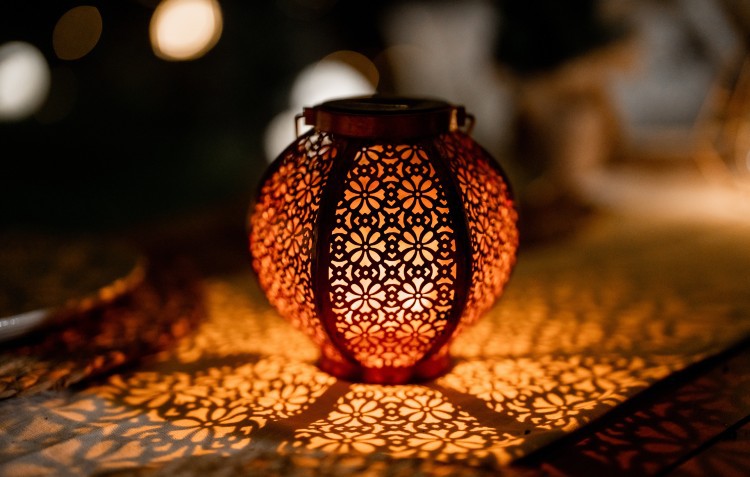
Solar lights are a type of light that uses solar power to provide light. They are usually used outdoors and for safety and security purposes. They are popular in areas where there is not a lot of electricity or where people are looking for aesthetic designs for their homes. Solar-powered household lighting can replace other light sources like candles or kerosene lamps. Compared to kerosene lamps, solar lamps have a lower operating cost because renewable energy from the sun is free. Furthermore, solar lamps produce no indoor air pollution, unlike kerosene lamps.
Typical product categories include:
- Solar string lights
- Garden stake lights
- Decorative lanterns
- Solar wall décor lights
- Patio ambient lighting
- Seasonal decorative lights
- Solar camping and table lights
Unlike wired outdoor lighting, solar decorative lights operate independently through:
- Solar charging during daytime
- Battery energy storage
- Automatic LED illumination at night
The category has expanded rapidly over the last few years because it solves several consumer pain points simultaneously:
- No wiring required
- Lower electricity consumption
- Flexible placement
- Easier DIY installation
- Increased outdoor atmosphere
However, from a sourcing perspective, decorative solar lighting is also one of the categories with the largest quality variation between suppliers.
How Solar Decorative Lights Work
Solar lights are made up of a solar panel, a rechargeable battery, and a light source. The solar panel collects energy from the sun and converts it into electricity which is then stored in the rechargeable battery. The light source is used to produce light. The solar panel is a photovoltaic cell that absorbs the sun's energy and creates an electrical charge that moves through the panel. Wires from the solar cell are connected to the battery, which converts and stores the power as chemical energy until it's needed
|
Component |
Function |
|
Solar panel |
Converts sunlight into electricity |
|
Rechargeable battery |
Stores electrical energy |
|
LED module |
Produces illumination |
|
Controller PCB |
Manages charging/discharging |
During daylight hours, the solar panel converts solar energy into electrical power and charges the battery. At night, the controller automatically activates the LED using stored energy.
In practice, the overall performance depends heavily on conversion efficiency and energy management.
For example:
- Monocrystalline solar panels typically achieve conversion efficiencies around 20–23%
- Polycrystalline panels usually range around 15–17%
Under strong sunlight, this gap may not appear dramatic. But in cloudy environments such as Northern Europe or the UK, the charging performance difference becomes much more noticeable.
Battery performance is equally important.
Typical cycle lifespans:
- Standard Li-ion batteries: around 300–500 cycles
- Higher-quality Li-ion cells: around 500–800 cycles
- LiFePO4 batteries: often 1000–2000+ cycles
In real usage, a low-grade battery that initially powers a lamp for 8 hours may only provide 4–5 hours runtime after one season if the capacity degradation is too aggressive.
Why Solar Decorative Lights Are Becoming More Popular
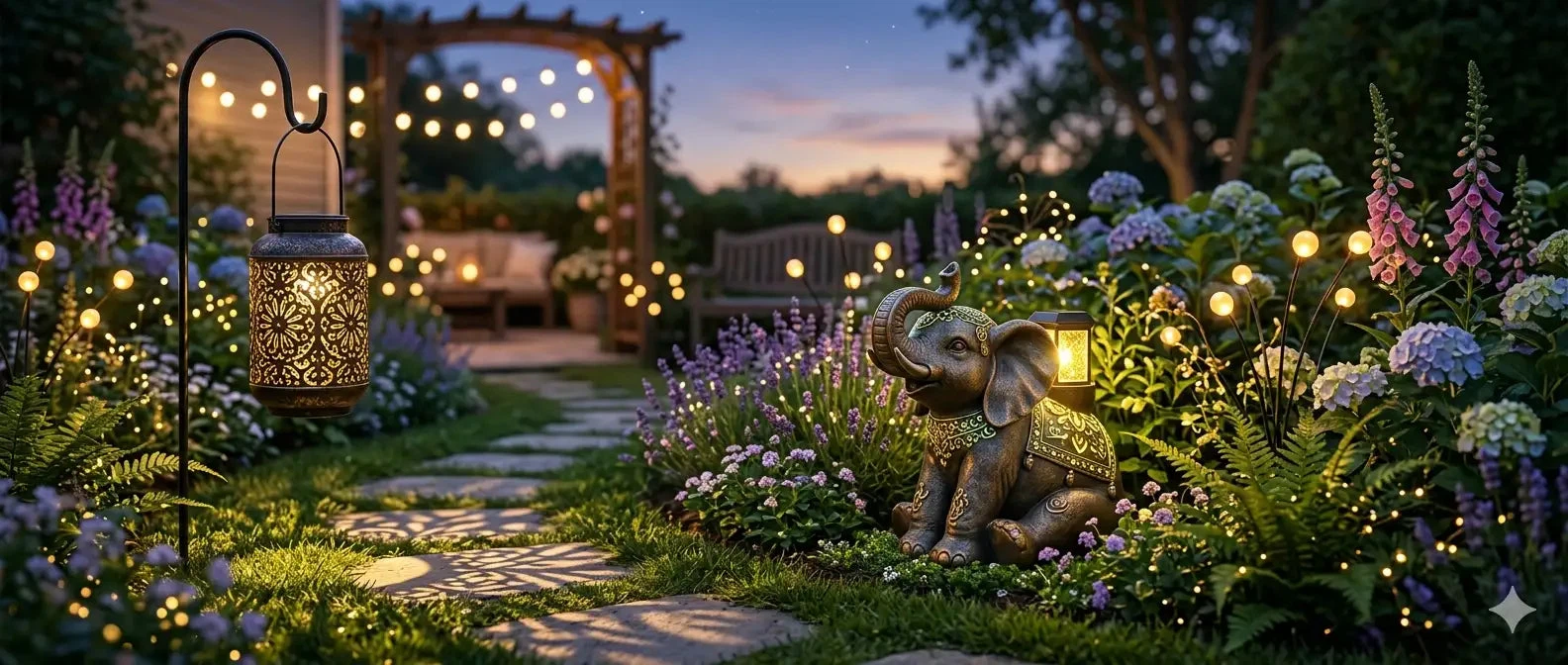
From a buyer's perspective, the growth of solar decorative lighting is not simply driven by "eco-friendly" marketing. The demand is tied to broader changes in how consumers use outdoor spaces.
Outdoor Living Has Become a Permanent Category
Patios, balconies, gardens, and backyard spaces are no longer treated as occasional-use areas. Consumers increasingly view them as extensions of indoor living environments.
This has increased demand for:
- Warm ambient lighting
- Decorative outdoor atmosphere
- Portable lighting solutions
Unlike functional flood lights, decorative solar lights help create mood rather than brightness. Consumers Prefer Softer Lighting Environments. One noticeable trend over the last few years is the shift away from harsh cool-white outdoor lighting.
Most decorative solar lighting products today perform best in:
- Warm white 2700K–3000K color temperature ranges
- Lower glare output
- Diffused ambient lighting
Buyers should also pay attention to LED consistency. Lower-quality products may show visible color inconsistency between units. Many consumers prefer lighting products that do not require: Electricians/Wiring/Permanent installation
This is especially important for:
- Rental properties
- Seasonal displays
- Temporary outdoor events
- Small-space decoration
Key Factors to Consider When Buying Solar Decorative Lights
Solar Panel Quality
The solar panel determines how efficiently the product charges during limited daylight conditions.
For decorative products used in cloudy or winter environments, monocrystalline panels are generally preferred due to their higher conversion efficiency.
Buyers should also check:
- Panel encapsulation quality
- Surface yellowing resistance
- PET vs tempered glass construction
Low-cost panels often degrade much faster under UV exposure.
Battery Performance
Battery quality is one of the biggest long-term performance differentiators.
A common sourcing mistake is focusing only on battery capacity (mAh) while ignoring:
- Cell grade
- Cycle lifespan
- High-temperature stability
- Low-temperature charging performance
For example, some low-quality Li-ion batteries may drop below 60% capacity after roughly 200–300 cycles.
That means:
- Month 1 runtime: 8 hours
- 6–12 months later: possibly 4–5 hours
This is one of the main reasons consumers complain that solar lights "suddenly stopped lasting overnight."
Waterproofing Is More Complicated Than IP Ratings
Many buyers overestimate the importance of IP labels alone.
In reality:
- IP65 is generally suitable for standard outdoor environments
- IP67 is better for high-rainfall regions or tropical climates
However, IP rating labels alone do not guarantee long-term waterproof reliability.
The real issue is usually:
- Silicone sealing quality
- Housing joint structure
- Cable entry protection
- Drainage design
Some products technically pass short-term IP tests but still fail after months of outdoor thermal expansion and moisture exposure.
Material Durability
Outdoor decorative products experience:
- UV exposure
- Rain
- Heat cycling
- Humidity
- Temperature fluctuation
Common material issues include:
- Yellowing
- Brittleness
- Cracking
- Surface chalking
ABS and PC materials are common, but UV stabilization quality varies significantly between suppliers.
For hotter regions such as the Middle East or Southeast Asia, UV-resistant housing materials become especially important.
Common Failure Problems in Solar Decorative Lights
|
Failure Symptom |
Root Cause |
Prevention Method |
|
Battery no longer holds charge after one season |
Low-cycle battery cells |
Use verified Li-ion or LiFePO4 cells |
|
Water enters despite IP rating |
Weak sealing structure |
Inspect sealing process, not only IP label |
|
Light becomes dim or flickers |
Battery degradation or unstable PCB |
Use stable driver design and quality batteries |
|
Housing turns yellow or cracks |
Poor UV-resistant materials |
Use UV-stabilized ABS/PC materials |
|
Poor charging during cloudy weather |
Low-efficiency solar panel |
Choose monocrystalline panels |
|
Light turns on during daytime |
Weak sensor calibration |
Improve controller sensitivity testing |
Supplier Red Flags Buyers Should Watch For
|
Red Flag |
What It Usually Means |
|
Supplier refuses to disclose battery or LED brand |
Components may be low-grade or inconsistent |
|
No third-party testing reports |
Specifications may not be verified |
|
Claims IP65/IP67 but cannot explain sealing structure |
Waterproof performance may be unreliable |
|
Claims 800+ battery cycles without IEC 62133 certification |
Lifespan claim may not be validated |
|
Sample quality significantly better than production goods |
Inconsistent production control |
Regional Specification Priorities
|
Market |
Recommended Specifications |
|
Northern Europe / UK |
Monocrystalline panel, LiFePO4 battery, minimum IP65 |
|
Southeast Asia / Tropical regions |
IP67, high-temperature battery stability, UV-resistant materials |
|
North America |
UL/ETL certification, IEC 62133 battery compliance |
|
Middle East / Desert climates |
LiFePO4 battery, UV-grade housing materials |
Future Trends in Solar Decorative Lighting
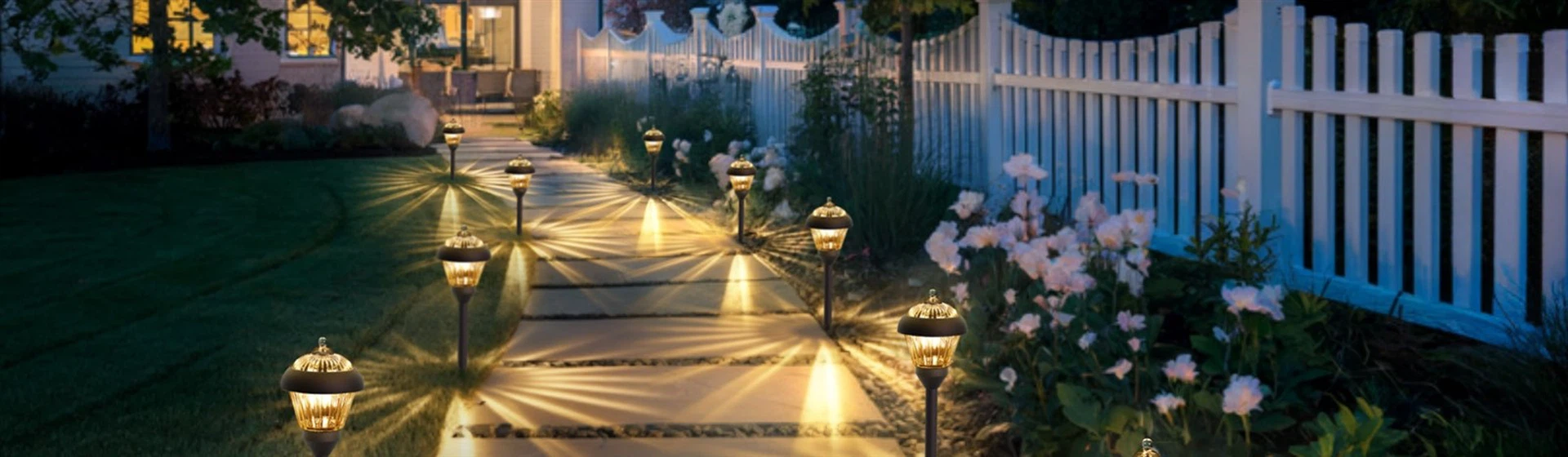
The category is gradually moving away from purely low-cost seasonal products toward more durable and design-focused solutions.
Some clear trends include:
- Smarter energy management systems
- Decorative warm ambient lighting
- Rechargeable multifunctional products
- Higher-end housing materials
- Better battery technology
- More reliable waterproof construction
At the same time, buyers are becoming more technical in their sourcing decisions. Price alone is no longer the primary differentiator.
Increasingly, long-term outdoor reliability is becoming one of the key factors determining product success.
FAQ
What is the most important factor when buying solar decorative lights?
Long-term outdoor performance is usually more important than appearance or initial pricing. Buyers should pay close attention to battery quality, waterproof construction, solar panel efficiency, and UV-resistant materials, especially for markets with harsh weather conditions.
Why do some solar lights stop working after one season?
The most common reasons are low-quality batteries and poor waterproof sealing. Some products may perform well initially but quickly lose battery capacity or develop moisture issues after prolonged outdoor exposure.
What specifications are recommended for colder or rainy markets?
For regions with limited sunlight or heavy rainfall, buyers generally prefer monocrystalline solar panels, LiFePO4 batteries, and IP44 waterproof protection to improve charging efficiency and long-term reliability.